Circadian Lighting: The Overlooked Secret Behind Better Sleep at Home
Why This Matters
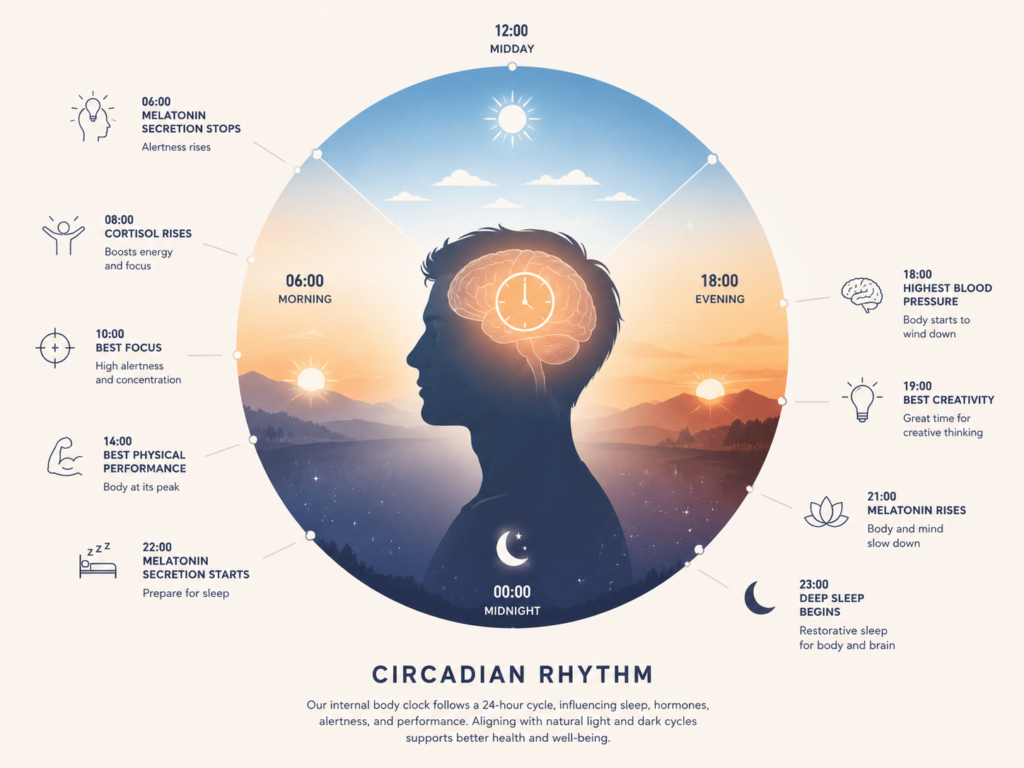
Most homeowners think about lighting in terms of brightness and style. But light does far more than help you see. It sets your body’s internal clock, called the circadian rhythm, which controls sleep, mood, energy, hormone production, and even long-term health outcomes like metabolism and immune function.
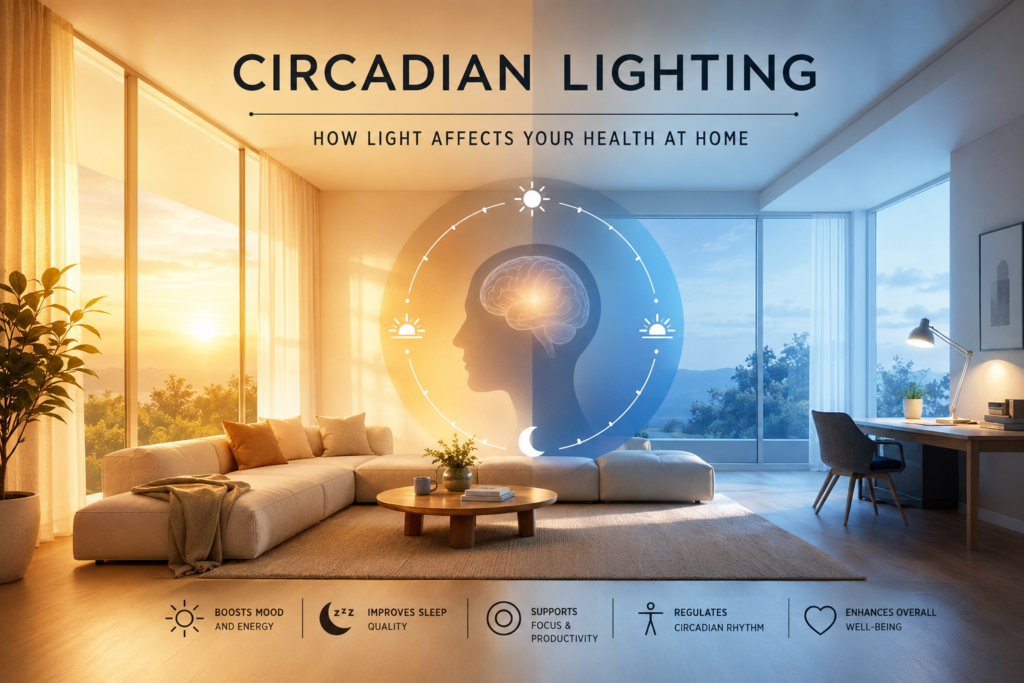
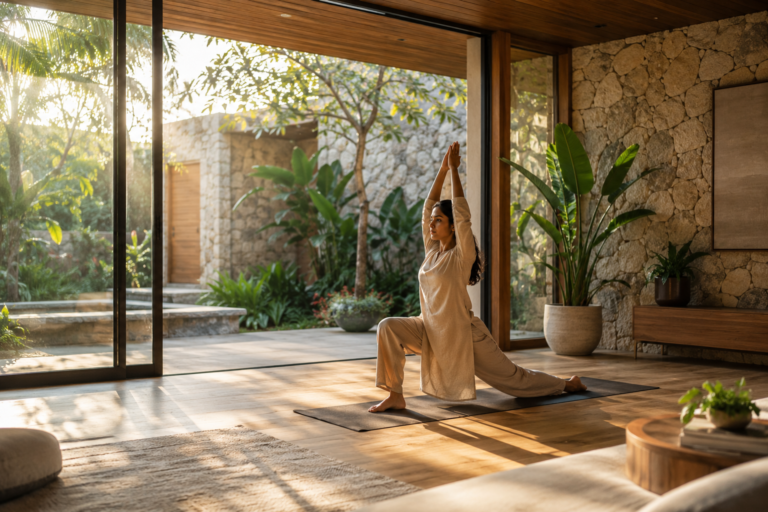
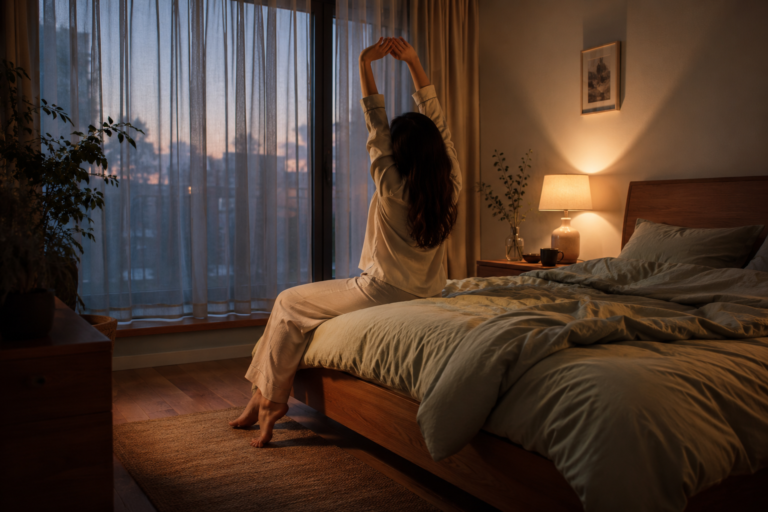
For most of human history, light came from one source: the sun. Bright, blue-toned daylight in the morning and afternoon told the body to stay alert. Warm, dim firelight in the evening told the body to relax and prepare for rest. Modern homes broke this pattern. Constant, unchanging artificial light, bright screens late at night, and curtains that stay closed all day send confusing signals to the brain, and the body responds by struggling to fall asleep, stay focused, or regulate mood.
This is not a minor design detail. Poor lighting design is now linked in building science research to disrupted sleep cycles, higher stress levels, reduced concentration, and long-term hormonal imbalance. Circadian lighting design fixes this by matching indoor light, both natural and artificial, to your body’s natural daily rhythm, so your home works with your biology instead of against it.
💡 CALLOUT
“Light is one of the most powerful environmental signals influencing the human circadian system. The timing, intensity, duration, and spectrum of light all play important roles in regulating sleep, alertness, and overall well-being.” This is why architects and lighting designers increasingly treat circadian lighting as an essential element of healthy home design rather than simply an aesthetic feature.
The good news is that fixing this does not require a full renovation. Small, deliberate changes in bulb choice, timing, and daylight access can noticeably improve how you sleep, feel, and perform within days to a few weeks.
Want to see exactly where your home stands? The self-assessment and full Healthy Home Lighting Checklist are included as a downloadable resource at the end of this guide.
Quick Navigation
- What Is Circadian Lighting?
- How Light Affects Human Health
- Understanding Color Temperature
- Designing a Circadian Lighting Strategy for Every Room
- Maximizing Daylight and Choosing Artificial Lighting
- Avoiding Mistakes and Building a Healthy Lighting Plan
- Circadian Lighting Audit Worksheet
- Key Takeaways
- 30-Day Action Plan
- FAQs
- Downloadable Resource: Healthy Home Lighting Checklist
Circadian lighting is quickly becoming a core principle in modern home design. This guide breaks down the science, the practical strategies, and the room-by-room applications you need to build a healthier home, wherever in the world you live.
1. What Is Circadian Lighting?
Circadian lighting means designing light, both natural and artificial, to match the body’s 24-hour internal clock. It uses brighter, cooler light during the day and warmer, dimmer light in the evening, mimicking the natural pattern of the sun.
Understanding the Body’s Internal Clock
Every person has a master body clock, called the suprachiasmatic nucleus, located in the brain. It uses light as its main signal to decide when the body should feel awake, alert, hungry, or sleepy. This is why bright light in the morning helps you feel awake, while dim, warm light at night helps you wind down.
Why Humans Evolved With Natural Daylight
For most of human history, the sun was the only light source. Our bodies adapted to bright blue-toned daylight in the morning and afternoon, and warm, dim firelight in the evening. Modern homes with constant, unchanging artificial light break this pattern, confusing the body’s internal clock.
The Relationship Between Light and Health
When indoor lighting ignores this natural pattern, it can disrupt sleep, mood, and hormone production. Circadian lighting design restores that connection, using daylight and tunable artificial light to support the body instead of working against it.
Circadian Lighting in Different Climates
In hot-humid climates like Mumbai or Singapore, homes often rely on tinted windows and heavy curtains to block heat, which also blocks helpful daylight. In cold climates like Scandinavia or Canada, short winter days mean homes need stronger artificial daylight-mimicking light to prevent low mood. Every climate needs a slightly different circadian lighting strategy.
💡 CALLOUT
Circadian lighting is not a single product. It is a design approach that combines daylight, artificial light, and timing to support your body’s natural rhythm throughout the day.
2. How Light Affects Human Health
Light exposure influences far more than sleep. Research on human-centric lighting links daily light patterns to mental health, productivity, eye health, and hormonal balance.
Sleep Quality
Bright morning light helps suppress melatonin, the hormone that makes you sleepy, so you feel more awake during the day. In the evening, reducing bright and blue-toned light allows melatonin to rise naturally, helping you fall asleep faster and sleep more deeply.
Mental Health and Mood
Low daylight exposure, especially in winter or in poorly lit homes, is linked to low mood and seasonal affective symptoms. Homes in Northern Europe often use daylight-mimicking lamps to counter short winter days, while homes in sunnier climates like Australia or the Middle East benefit from simply letting more daylight indoors.
Productivity and Focus
Bright, cool-toned light during work hours improves alertness and concentration. This is why many modern home offices in cities like Bengaluru and Dubai are designed with strong daylight access or tunable white LED desk lighting for daytime focus.
Eye Health and Hormonal Balance
Consistent daylight exposure supports healthy eye development, particularly in children, and regulates cortisol, the hormone that manages stress and energy levels. A stable light routine helps keep both eye strain and stress hormones in check.
⚠️ WARNING
Relying on bright overhead lighting throughout the evening, common in many homes, can suppress melatonin and delay sleep by an hour or more.
Circadian Lighting Health Effects Illustration
Prompt: A photorealistic split-composition architectural photo showing a bright daylight-filled home office on one side with a focused person working near a window, and a warm dim bedroom on the other side with a person relaxing under soft amber light, both spaces in the same modern interior style, natural materials, realistic shadows, human scale, architectural photography, high detail, soft cinematic contrast between the two lighting moods
3. Understanding Color Temperature
Color temperature describes how warm or cool a light source looks, measured in Kelvin (K). Understanding this scale is the foundation of circadian lighting design.
Warm Light vs Cool Light
Warm light has an orange or amber tone, similar to a sunset or candle flame. Cool light appears white or slightly blue, similar to daylight at noon. Warm light helps the body relax, while cool light helps the body feel alert. The comparison below summarizes when and where to use each.
| Feature | Warm Light | Cool Light |
| Color Temperature | 2700K–3000K | 4000K–6500K |
| Appearance | Soft yellow/orange | Bright white/blue |
| Best For | Bedrooms, living rooms | Kitchens, offices |
| Supports | Relaxation, melatonin | Alertness, concentration |
| Best Time | Evening and night | Morning and daytime |
The Kelvin Scale Explained
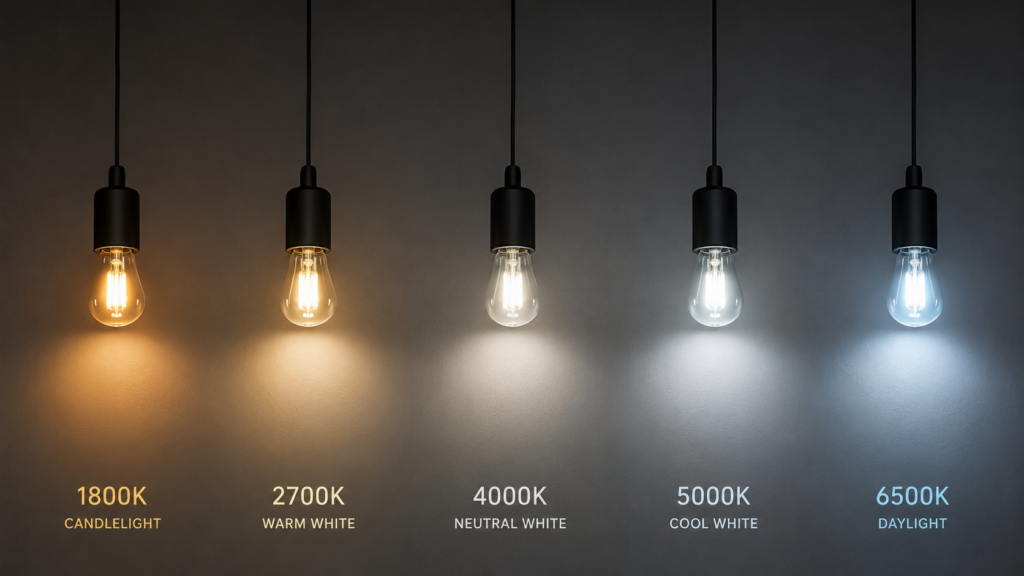
The Kelvin scale runs roughly from 1,800K (candlelight) to 6,500K (overcast daylight). Lower numbers mean warmer, more relaxing light. Higher numbers mean cooler, more energizing light. Most homes benefit from lighting that can shift between these ranges depending on the time of day.
Morning, Afternoon and Evening Lighting
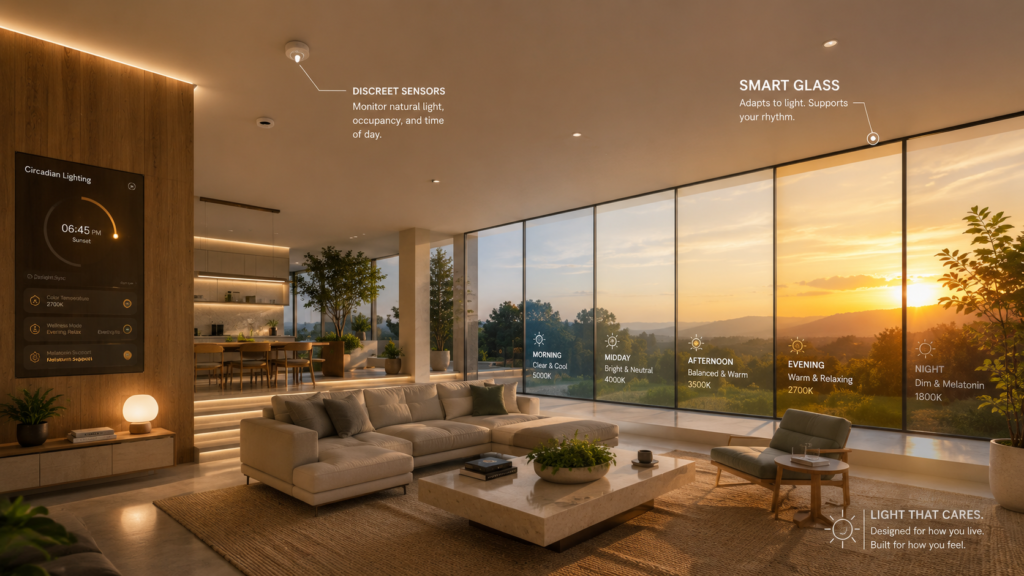
A simple rule works well across climates: use cooler light (4000K-5000K) in the morning and early afternoon to support alertness, and shift to warmer light (2700K-3000K) from early evening onward to support relaxation and sleep.
Choosing the Right Bulbs
Tunable white LED bulbs let you adjust color temperature throughout the day with a single fixture. Where budget is limited, simply using warm bulbs (2700K) in bedrooms and living rooms, and slightly cooler bulbs (4000K) in kitchens and home offices, achieves most of the same benefit.
⚠️ WARNING
Cool white light (5000K+) used in bedrooms at night is one of the most common circadian lighting mistakes, and it can meaningfully delay sleep onset.
4. Designing a Circadian Lighting Strategy for Every Room
Every room in a home has a different lighting need, based on how and when it is used. Here is a practical, room-by-room approach.
Bedroom and Living Room Lighting
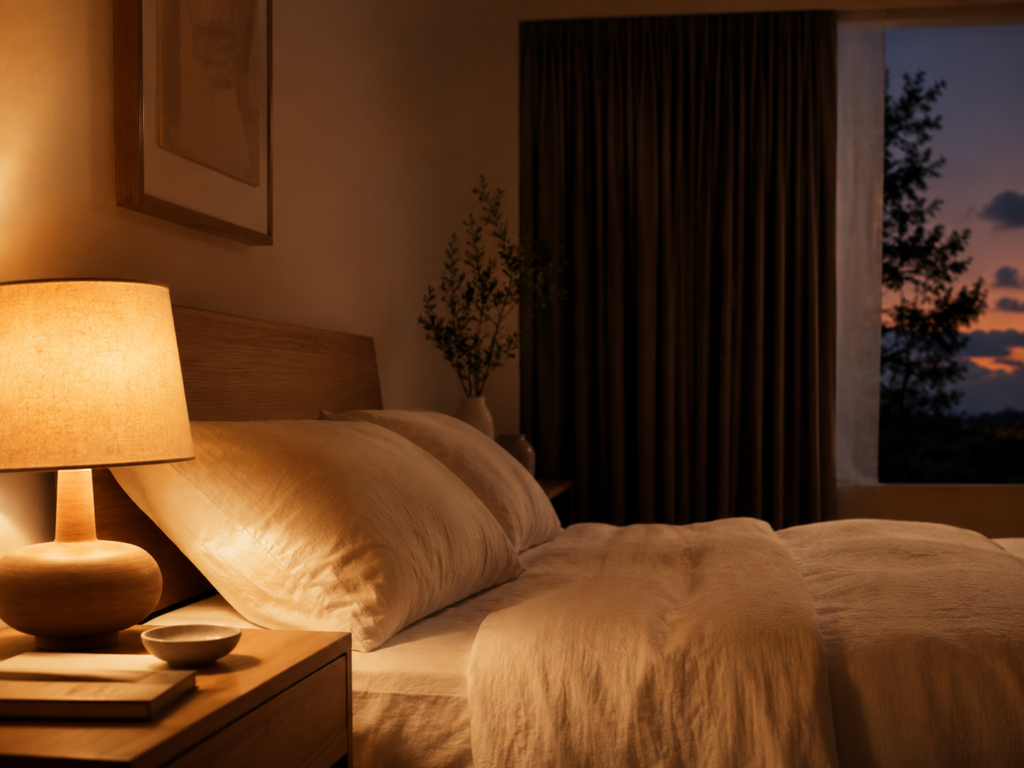
Bedrooms should prioritize warm, dimmable light in the evening, with the option for brighter cool light in the morning to aid waking up. Living rooms benefit from layered lighting: general ceiling light, warm floor or table lamps for evenings, and daylight access during the day.
Kitchen and Bathroom Lighting
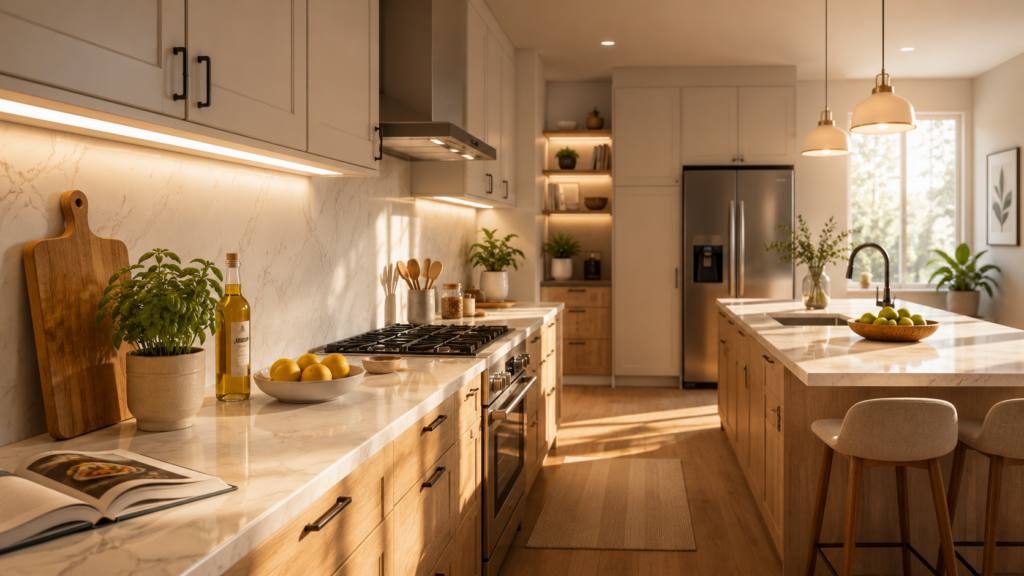
Kitchens need brighter, cooler task lighting (3500K-4500K) for food preparation and safety, especially over counters and stoves. Bathrooms should combine bright task lighting near mirrors with a warm, dim night-light option to avoid disrupting sleep during nighttime use.
Home Office Lighting
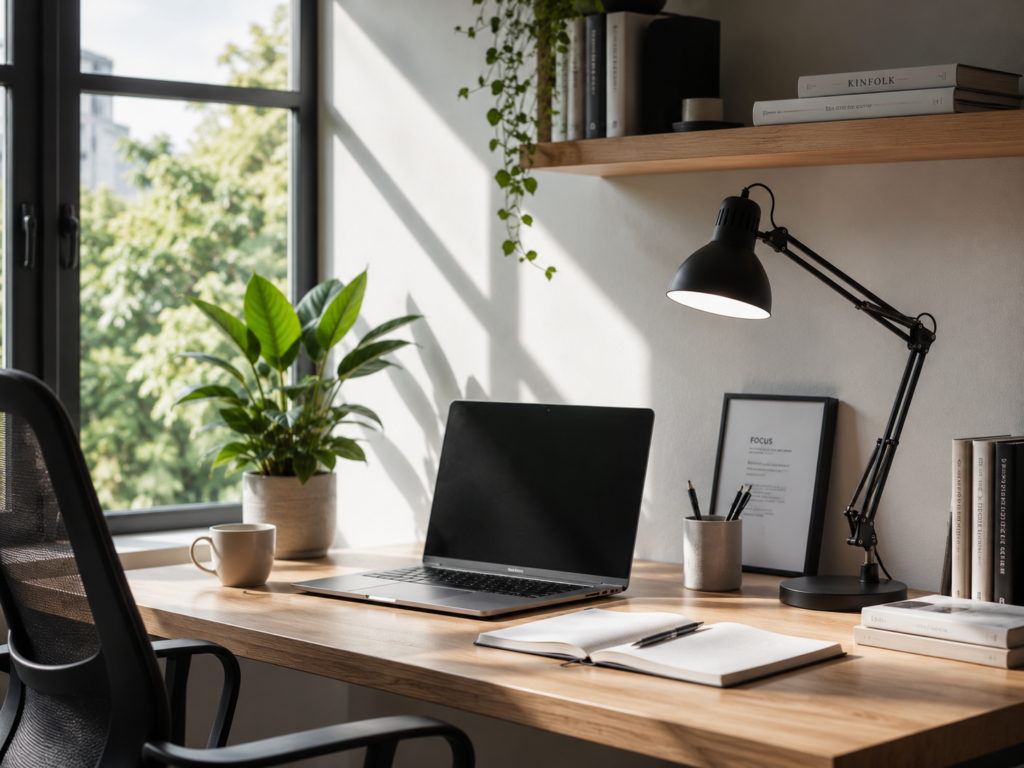
Home offices perform best with cool, bright light (4000K-5000K) positioned to reduce screen glare, ideally supplemented by a desk placed near a window. This combination supports focus during work hours without spilling into evening relaxation time.
Children’s Room Lighting
Children’s rooms benefit from the same principles as adult bedrooms: warm, dim light in the evening to support healthy sleep routines, and access to bright natural light during the day, which also supports healthy eye development.
✅ TIP
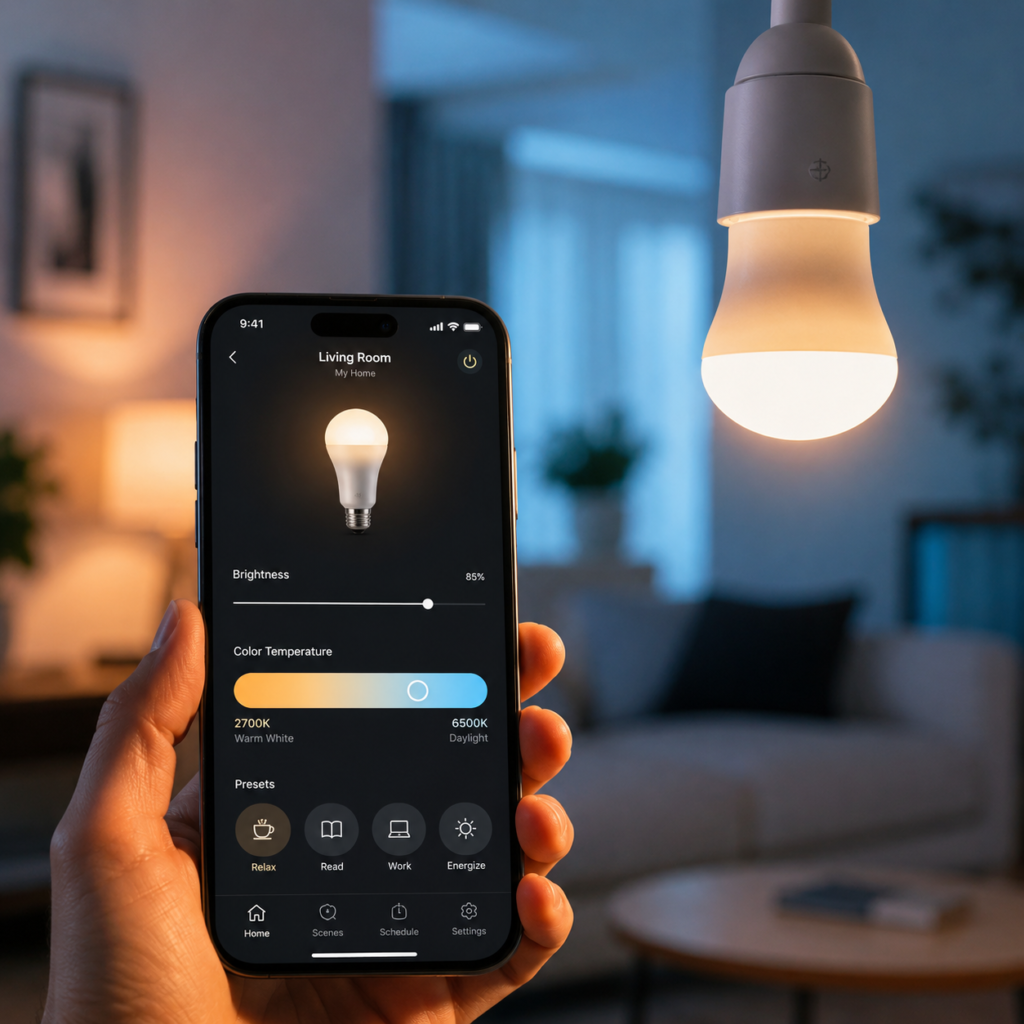
TIP Install separate dimmer switches or smart bulbs for bedrooms and living rooms so lighting can shift automatically from bright to warm as evening approaches.
5. Maximizing Daylight and Choosing Artificial Lighting
Natural daylight is the strongest, most reliable source of circadian light. Artificial lighting should support it, not replace it, whenever possible.
Window Orientation and Skylights
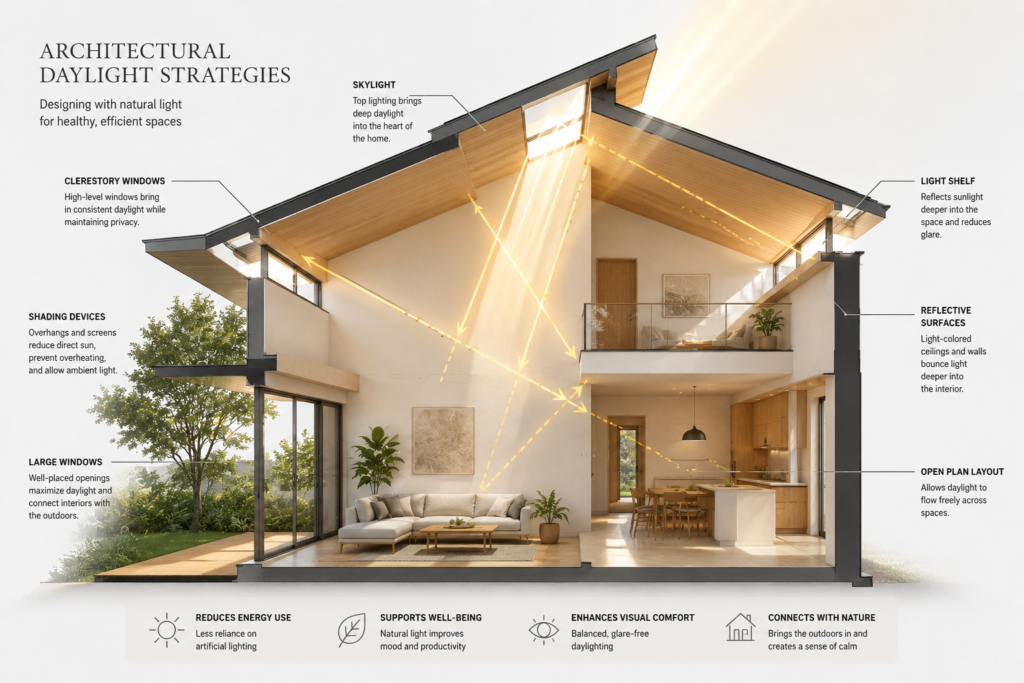
In the Northern Hemisphere, south-facing windows receive the most consistent daylight, while in the Southern Hemisphere, such as Australia, north-facing windows do the same. Skylights are especially useful in dense urban homes across Asia and the Middle East, where neighboring buildings block side windows.
Light Shelves, Reflective Surfaces and Glare Control
Light shelves, horizontal surfaces placed above eye level near windows, bounce daylight deeper into a room without adding glare. Light-colored walls, ceilings, and flooring reflect this daylight further, reducing the need for artificial lighting during the day.
Layered and Indirect Lighting
Good artificial lighting design uses layers: ambient light for general illumination, task light for specific activities, and accent light for mood. Indirect lighting, bounced off walls or ceilings, feels softer and less harsh than direct overhead bulbs, especially in the evening.
Tunable White LEDs and Smart Systems
Tunable white LEDs and smart lighting systems can automatically shift color temperature and brightness across the day, following a preset circadian schedule. This removes the need to manually adjust lighting and works well for busy households.
⚠️ WARNING
Glare from unshaded windows or uncontrolled sunlight can cause eye strain and heat buildup, especially in hot-dry climates like the Middle East. Pair daylight strategies with proper shading.
6. Avoiding Mistakes and Building a Healthy Lighting Plan
Even well-intentioned lighting choices can work against circadian health. This final section covers common mistakes, home-type considerations, global standards, and how to build your own lighting plan.
Common Lighting Mistakes That Disrupt Sleep
Many homes unknowingly use lighting that works against the body’s natural rhythm. Avoid these common mistakes:
- Using bright 6500K white bulbs in bedrooms
- Keeping overhead lights on until bedtime
- Closing curtains throughout the day
- Working in dark rooms without daylight
- Using only one ceiling light for every activity
- Sleeping with televisions or bright digital displays on
- Ignoring glare from windows during working hours
Making even one or two of these changes can noticeably improve sleep quality and daytime energy.
Circadian Lighting for Different Home Types
Apartments often receive limited daylight due to nearby buildings. Use reflective surfaces, light-colored interiors, and place workspaces close to windows to maximize available natural light.
Independent houses provide greater flexibility. Design living areas around daylight, use skylights where appropriate, and create layered lighting for evening comfort.
In small homes, one lighting fixture often serves multiple purposes. Smart dimmable bulbs or tunable white LEDs allow the same fixture to support both daytime productivity and nighttime relaxation.
Circadian Lighting Standards Around the World
The WELL Building Standard, used globally in offices and increasingly in homes, includes specific circadian lighting requirements. Scandinavian homes are known for maximizing daylight through large windows despite cold climates. Healthcare and educational buildings increasingly use tunable lighting to support patient recovery and student focus, a trend now moving into residential design worldwide.
Building Your Home Lighting Plan
Start by auditing each room’s daylight access and current bulb types using the worksheet below. Then prioritize changes by cost and impact, beginning with bedrooms and home offices, as these spaces have the greatest influence on sleep and productivity.
💡 CALLOUT
Human-centric lighting is a growing global standard, not a trend. As more building codes and wellness certifications include circadian lighting requirements, it is becoming a baseline expectation for healthy homes.
Healthy Home Lighting Plan Overview
Prompt: A photorealistic overhead architectural floor plan style illustration rendered as a lit dollhouse-style home at dusk, warm light glowing from bedroom and living room windows, cooler light glowing from a home office window, soft ambient exterior twilight sky, realistic architectural model lighting, fine detail, cinematic composition, muted warm and cool color contrast between rooms
Circadian Lighting Audit Worksheet
Use this worksheet to identify opportunities for improvement throughout your home. Fill in your current bulb type, how much daylight each room receives, and the change you want to prioritize.
| Room | Current Bulb (K) | Daylight Access | Priority Improvement |
| Bedroom | |||
| Living Room | |||
| Kitchen | |||
| Bathroom | |||
| Home Office | |||
| Children’s Room |
✅ TIP
Begin with the bedroom and home office, as these spaces have the greatest influence on your sleep and productivity.
Key Takeaways
- Prioritize natural daylight during the morning and afternoon
- Switch to warm lighting after sunset
- Use different lighting strategies for different rooms
- Layer ambient, task, and accent lighting for flexibility
- Reduce blue light exposure before bedtime
- Invest first in bedroom and home office lighting improvements
- Small lighting changes can significantly improve sleep, mood, productivity, and long-term health
30-Day Action Plan
Week 1: Audit and Awareness
- Walk through your home and note which rooms get natural daylight and when
- Check the color temperature of your current bulbs (look for the K value on packaging)
- Start opening curtains within 30 minutes of waking
Week 2: Evening Routine Changes
- Switch bedroom and living room lamps to warm bulbs (2700K-3000K)
- Dim overhead lights one hour before bed
- Move bright device screens away from the bedroom in the evening
Week 3: Daytime Optimization
- Rearrange desks or seating to maximize window access
- Add light-colored curtains or blinds that diffuse rather than block daylight
- Consider a daylight lamp if natural light is limited
Week 4: Long-Term Upgrades
- Install dimmer switches in bedrooms and living rooms
- Explore tunable white or smart bulbs for key rooms
- Download the Healthy Home Lighting Checklist and plan your next renovation phase
Frequently Asked Questions
1. What is circadian lighting in simple terms?
Circadian lighting is lighting designed to match your body’s natural 24-hour clock, using brighter, cooler light in the day and warmer, dimmer light at night to support sleep and health.
2. Can circadian lighting really improve sleep quality?
Yes. Reducing bright and blue-toned light in the evening allows melatonin to rise naturally, which helps most people fall asleep faster and experience deeper sleep.
3. Do I need smart bulbs for circadian lighting to work?
No. Smart bulbs are convenient but not essential. Using warm evening bulbs, maximizing daylight, and following a consistent lighting schedule provides most of the benefits.
4. What color temperature is best for bedrooms?
Warm light between 2700K and 3000K is best for bedrooms in the evening. A brighter, cooler option (around 4000K) can help with waking up in the morning if desired.
5. Is circadian lighting design different for hot and cold climates?
Yes. Hot-humid and hot-dry climates need daylight strategies paired with glare and heat control, while cold climates with short winter days often need stronger artificial daylight-mimicking light to prevent low mood.
6. Can children benefit from circadian lighting?
Yes. Regular exposure to natural daylight and warm evening lighting supports healthy sleep patterns, learning, and eye development in children.
7. Is sunlight through a window effective?
Yes. Although glass filters some ultraviolet light, it still provides sufficient visible light to help regulate your circadian rhythm.
8. Does circadian lighting save electricity?
It can. By maximizing natural daylight and using efficient LED lighting with dimmers, many households reduce unnecessary energy consumption.
9. How long does it take to notice improvements?
Many people notice better evening relaxation within a few days, while consistent improvements in sleep quality often develop over several weeks of maintaining healthy lighting habits.
10. Where should I start if my home has almost no circadian lighting features?
Start with the self-assessment and audit worksheet earlier in this guide, then prioritize the bedroom and home office, since these two rooms affect sleep and productivity the most.
Downloadable Resource